I Bought a Camera for a Photo Booth. Now I Photograph Llamas.
How a wedding photo booth led me to a Nikon Zf, a bag of cheap vintage glass, manual focus, and a running habit of photographing tiny plastic llamas wherever work sends me.
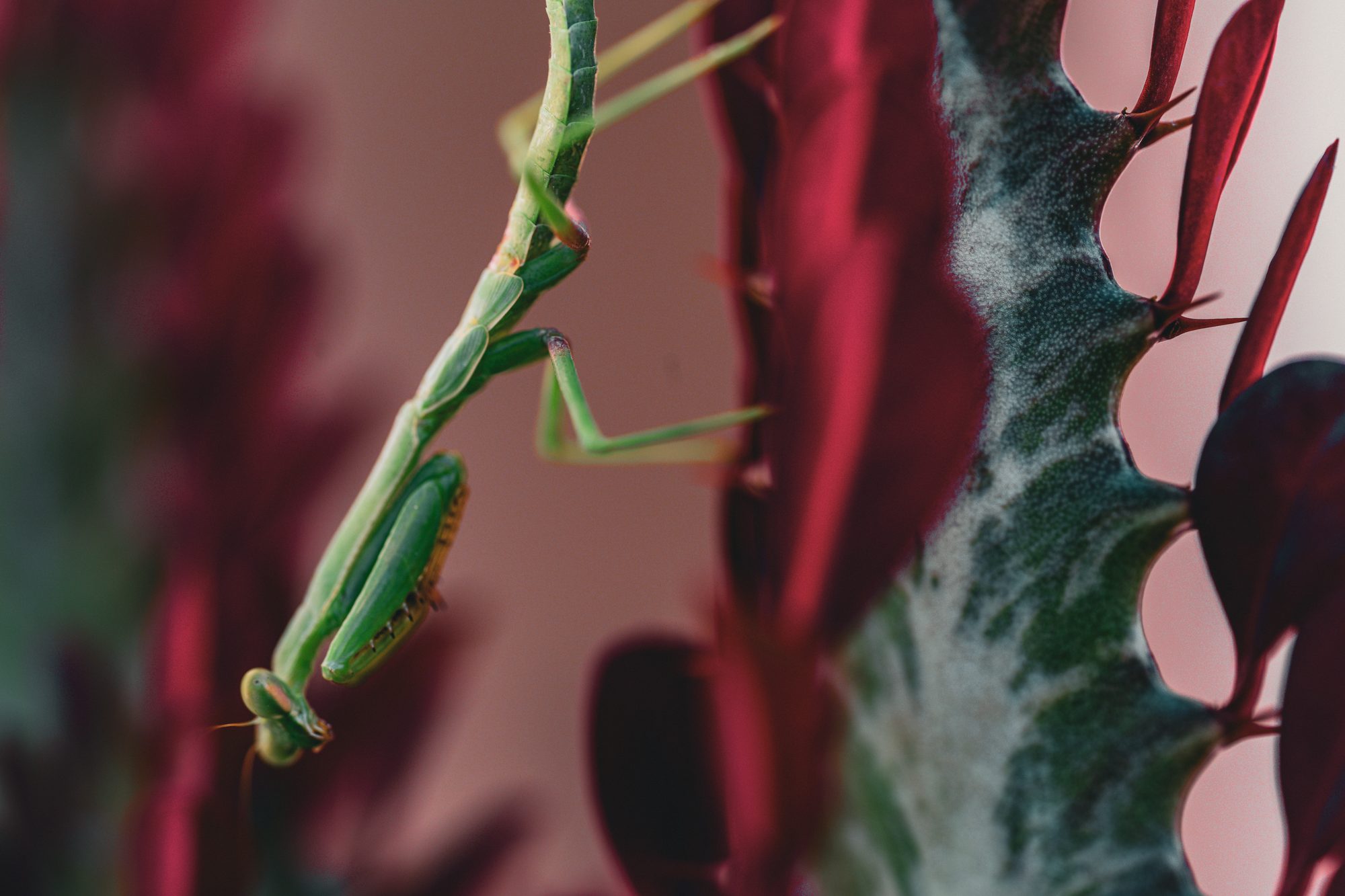
I’ve always liked taking pictures. Nature, mostly: trees, light coming through grass, the odd bug that holds still long enough. Portraits I can take or leave. What hooked me was never just the picture. It’s that a camera is engineering and art bolted into the same box, and you can’t really cheat either one. The physics of light landing on a sensor doesn’t care how good your eye is, and the best-exposed frame in the world is still dull if you composed it like a tax form. I find that combination very hard to put down.
For years I did all of this on whatever point-and-shoot I had around. The move was always the same: find the setting buried three menus deep that let me pretend it was a manual camera, then ignore everything the marketing wanted me to use. I never owned anything you’d call “nice.” Didn’t think I needed to.
Then, about twenty years after that first cheap camera, I got remarried. Tara and I did the whole wedding ourselves: the planning, the setup, the moment at 11pm when you realize nobody bought enough extension cords. We wanted a photo booth. A photo booth needs a camera. We did not, right then, have one we could actually reach. Tara owns a few lenses (more on her in a second) and the cameras to put them on, but all of it was in storage. (Long story. We were buying a house, the timing went sideways, and anything that didn’t fit went into boxes in a warehouse. You know how it goes.)
So she sent me to the camera shop to buy the one I’d been circling for about a year anyway: a Nikon Zf, with a 50mm for the booth. I walked in for a clean, simple, autofocus setup. I walked out with the Zf, a used 50mm, and the 40mm kit lens it came bundled with. The 50mm turned out not to autofocus at all (the one thing the booth needed); it wasn’t compatible with the firmware in the body. Classic. The kit lens, for what it’s worth, turned out to be quietly excellent. Funny how that goes.
Tara, who is very much the photographer in this house, had a suggestion. Before I let the camera do everything for me, I should learn to do it myself: vintage glass, manual mode, no autofocus, no training wheels. So that’s what we did. We hit estate sales, used camera shops, basically anywhere that might have a drawer of old lenses nobody wanted. My favorite of the haul is an old Nikkor 105, which I love enough that, yes, I took a picture of my own camera to show you.
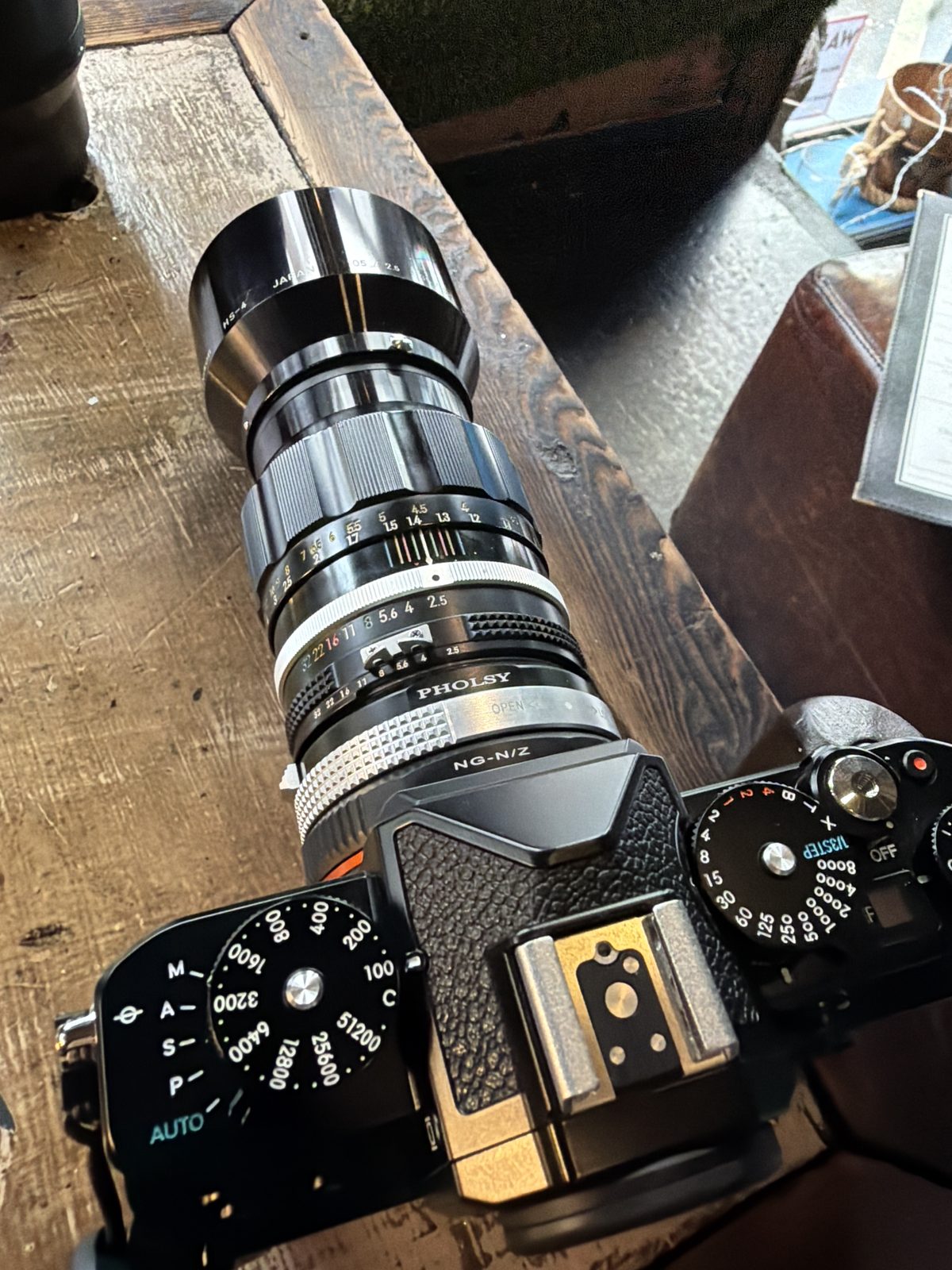
We picked up some bigger glass too: a vintage 135 and a 300mm. I got both for around $150, which by lens standards is suspiciously cheap. Add a couple of adapters (I’ve been using ones from Pholsy, which work fine when you don’t need autofocus or electronic contacts) and a forty-year-old lens snaps right onto a brand-new mirrorless body. The camera has no clue what’s attached to it, which means the metadata on every shot is already a little fictional. (If you ever go digging through the EXIF on these photos, enjoy yourself. It’s all lies, and it’s that way on purpose.)
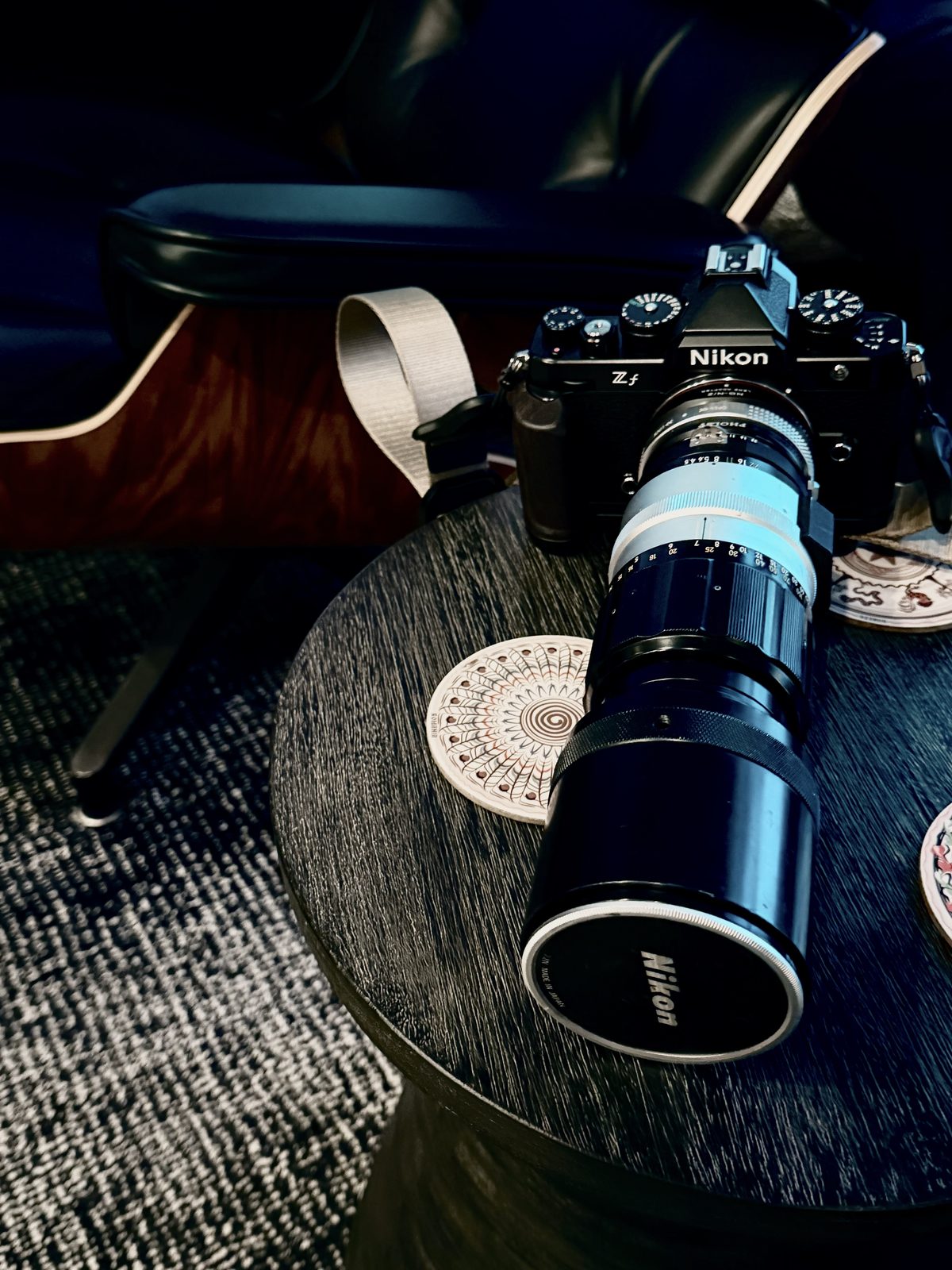
Here’s the part that surprised me. I’ve ended up preferring the old manual lenses to the slick electronic ones. There’s a clicky aperture ring right under my fingers, and I can set it faster and more deliberately than spinning a wheel on the body while a number changes on a screen. Same story with focus. I’ve come to dislike autofocus, especially with the macro lenses I reach for most, where the camera and I disagree constantly about what the subject even is. Turns out I’d rather just turn the ring myself.
A few things I’ve picked up
I’m still a beginner at this, so take all of it in that spirit. But a handful of ideas finally clicked for me, and they’re the ones I wish someone had put in plain language first.
Aperture is just the size of the hole the light comes through, and it does two jobs at once. A wider opening lets in more light (good in the dark) and shrinks your depth of field, the slice of the scene that’s actually sharp. That’s the dreamy look where the eyes are crisp and the background melts away. The confusing bit is the numbers: a smaller f-number means a bigger hole. f/2 is wide open and shallow, f/16 is nearly a pinhole with almost everything sharp. It’s a ratio, which is why it runs backwards from what you’d expect. Once you stop fighting that, aperture becomes the first dial you reach for.
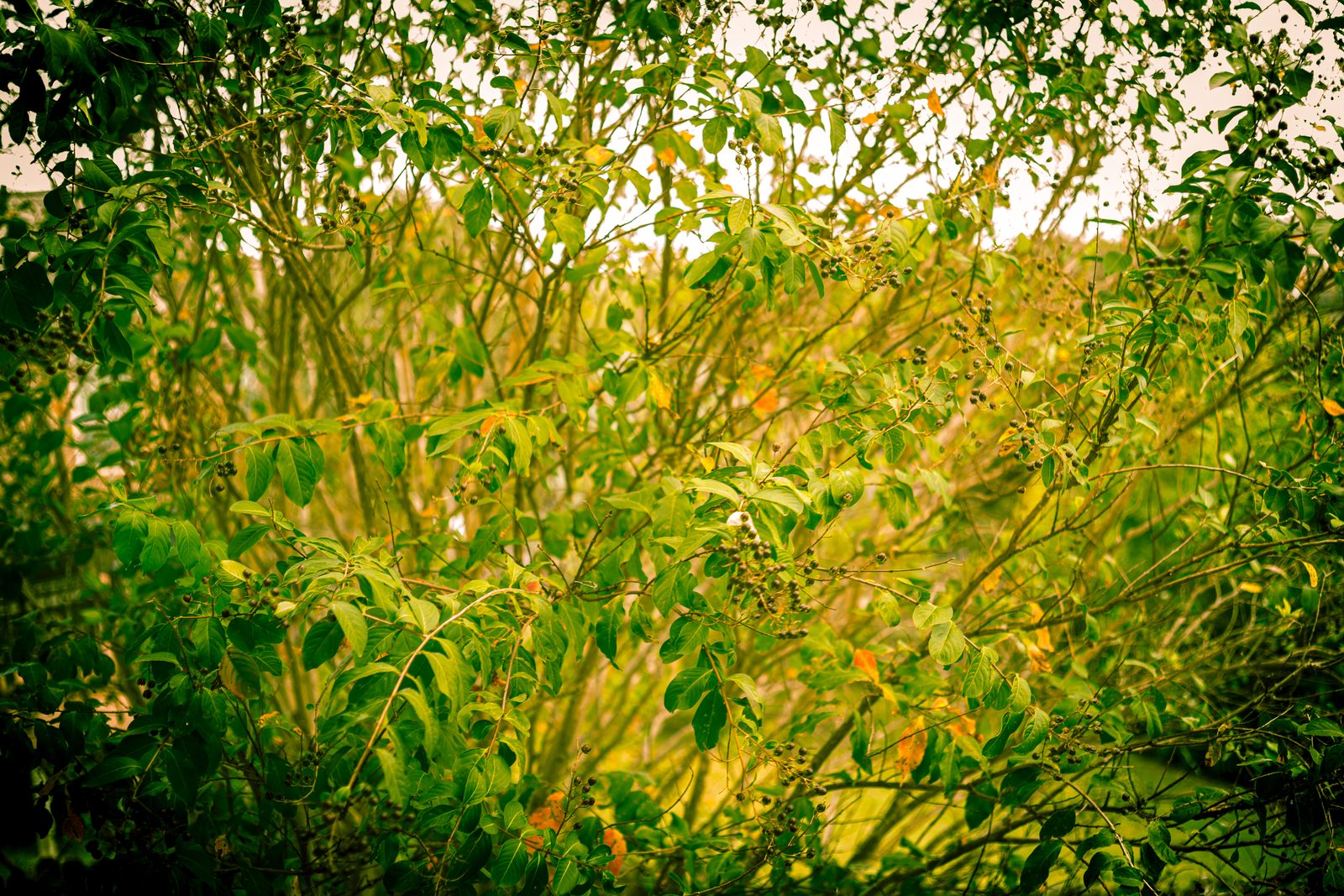
ISO is how loud you turn up the sensor. Low ISO is clean but needs plenty of light. Crank it up and you can shoot in a dark bar, but you pay in noise, that grainy speckle that creeps into the shadows. It’s the same trade as turning up a cheap speaker: more signal, sure, but more hiss riding along with it. So ISO is the knob you raise last, after the other two have run out of room.
Shutter speed is how long the window stays open. Fast (say 1/1000s) freezes a hummingbird’s wings. Slow (1/15s) turns a passing car into a smear of light and needs a steady hand or a tripod. Long shutter is how you get silky waterfalls and glowing night streets.
Those three (aperture, ISO, shutter) are the whole game, and they trade against each other constantly. Let in more light with one and you usually give some back with another. Photographers call it the exposure triangle, which makes it sound more mystical than it is. It’s three sliders feeding one bucket. Move one, nudge another, keep the bucket exactly full.
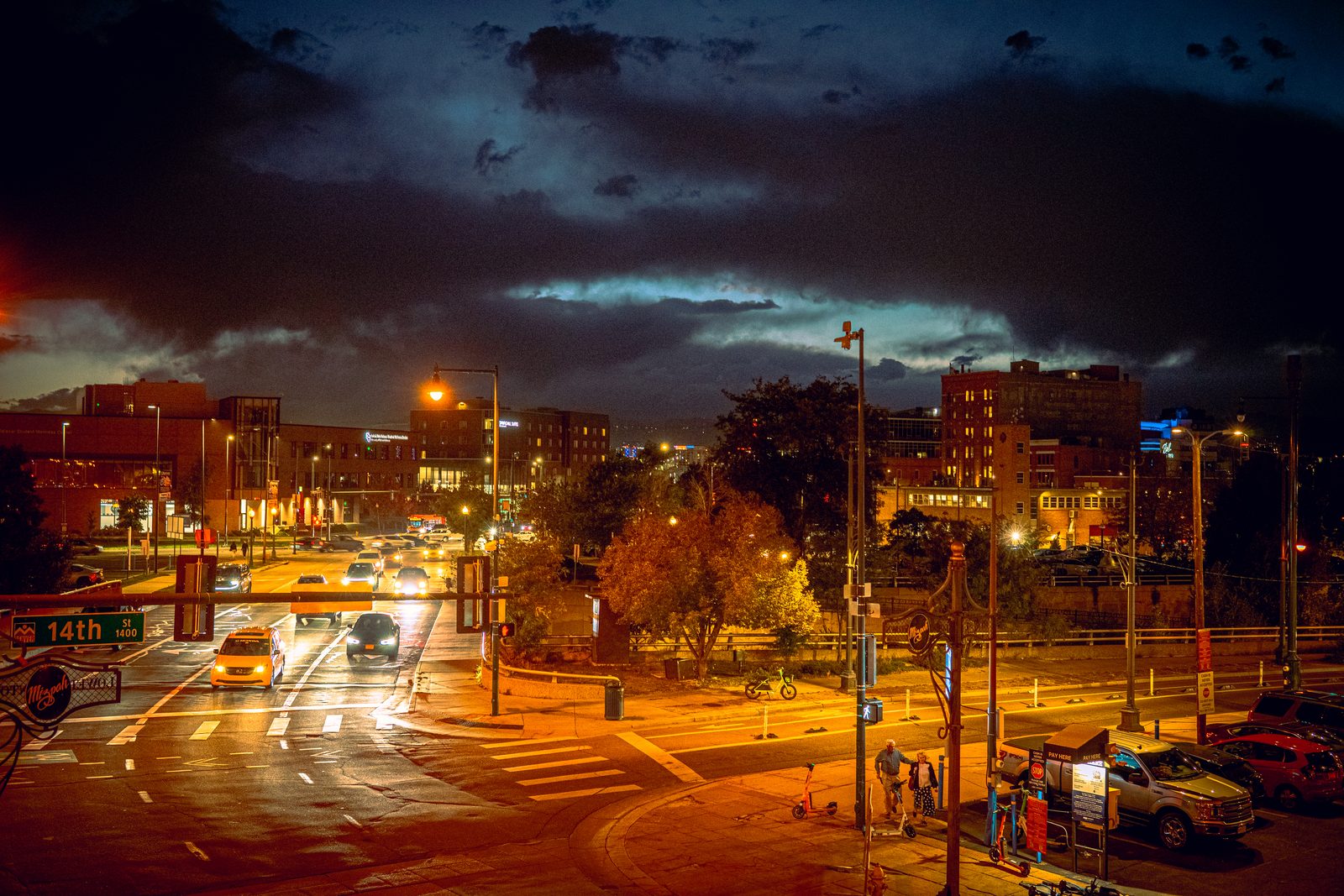
Focus is where old and new really part ways. On my vintage lenses the focus ring is mechanical: physically geared to the glass, with real hard stops at each end, and the same spot on the ring always means the same distance. On most modern lenses the ring is “focus by wire,” just a dial telling a motor what to do. Spin it fast or slow and you get different amounts of movement, and the moment you let go the reference is gone. Neither is wrong, but the mechanical one feels like a tool and the electronic one feels like a suggestion. For macro, I want the tool.
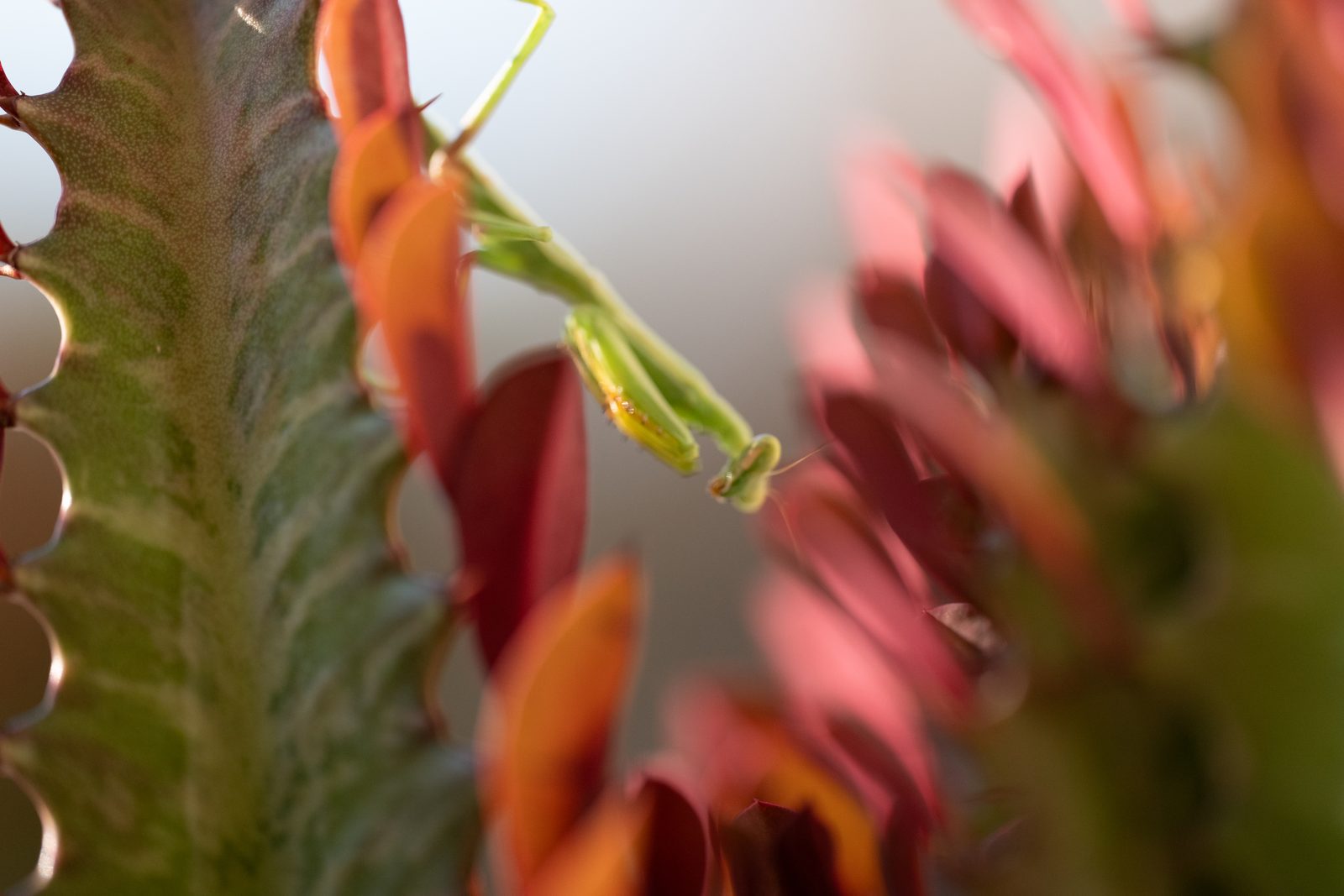
And autofocus, the thing I keep switching off? Modern cameras mostly do it with phase detection right on the sensor. They compare the light arriving from opposite edges of the lens and measure how far “out of phase” the two versions are, which tells the camera not just that it’s out of focus but which way to go and by how much. It’s clever, it’s fast, and it’s great for a kid sprinting at you. It’s just that for a still mantis on a leaf, I’m quicker at deciding what matters than the camera is.
Bokeh is the word for the quality of the blur, not the amount of it. Two lenses can throw a background equally out of focus and have it look completely different: one buttery and calm, the other busy and nervous, the out-of-focus highlights turning into soft orbs or hard-edged little discs. It comes down to the lens design and the shape of the aperture blades. Old lenses are all over the map here, which is half the fun of collecting cheap ones. You never quite know what you’ll get (I just picked up a vintage Panagor 500mm reflex lens, which turns every out-of-focus highlight into a little donut, and I still need to take it out for a spin).
And one composition rule worth more than any of the gear: the rule of thirds. Split the frame into a tic-tac-toe grid and put the important things on the lines, or better, where they cross, instead of dead center. Dead center is stable and a little boring. A third of the way over is where it gets interesting. It isn’t a law, and breaking it on purpose is its own move, but when you don’t know where to put the subject, put it on a third and you’ll rarely be sorry.
Framing, which is really what this is about
Here’s the idea I keep circling back to, and it’s why this post sits next to the more serious writing on this blog. A photograph isn’t reality. It never was. It’s a frame around reality, a set of choices about what to keep and what to let bleed off the edge. I pick the angle. I pick the light, or I wait for it. I decide what’s sharp and what dissolves. What you end up looking at isn’t the world, it’s the world the way I wanted you to see it, or some idealized half-second that’s already gone by the time it reaches you.
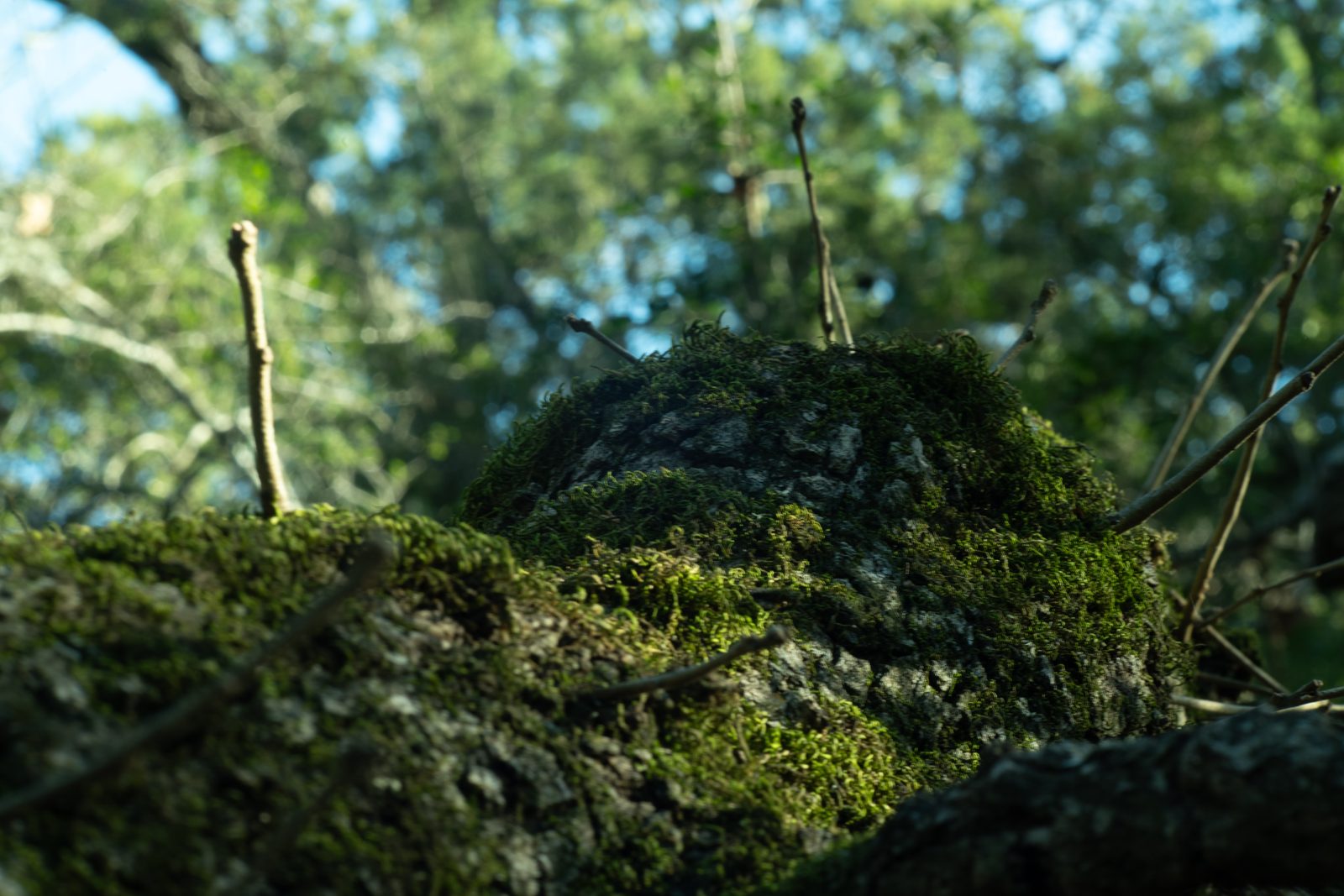
If that sounds familiar, it’s because I’ve been writing about the same thing one level up. I started a series the other day about how the structures we look through, our tools, our media, our abstractions, quietly shape what we can see and what conveniently disappears. A camera is the most honest version of that idea I know, because it admits up front that it’s choosing a frame for you. Macro is my favorite reminder of it. Put a close-up lens on the ordinary world and you fall straight into new ones: a mantis the size of a sentence, a whole forest in a square inch of moss. It was always that strange down there. You just needed a different frame to notice.
The llamas
Which brings me, somehow, to the llamas.
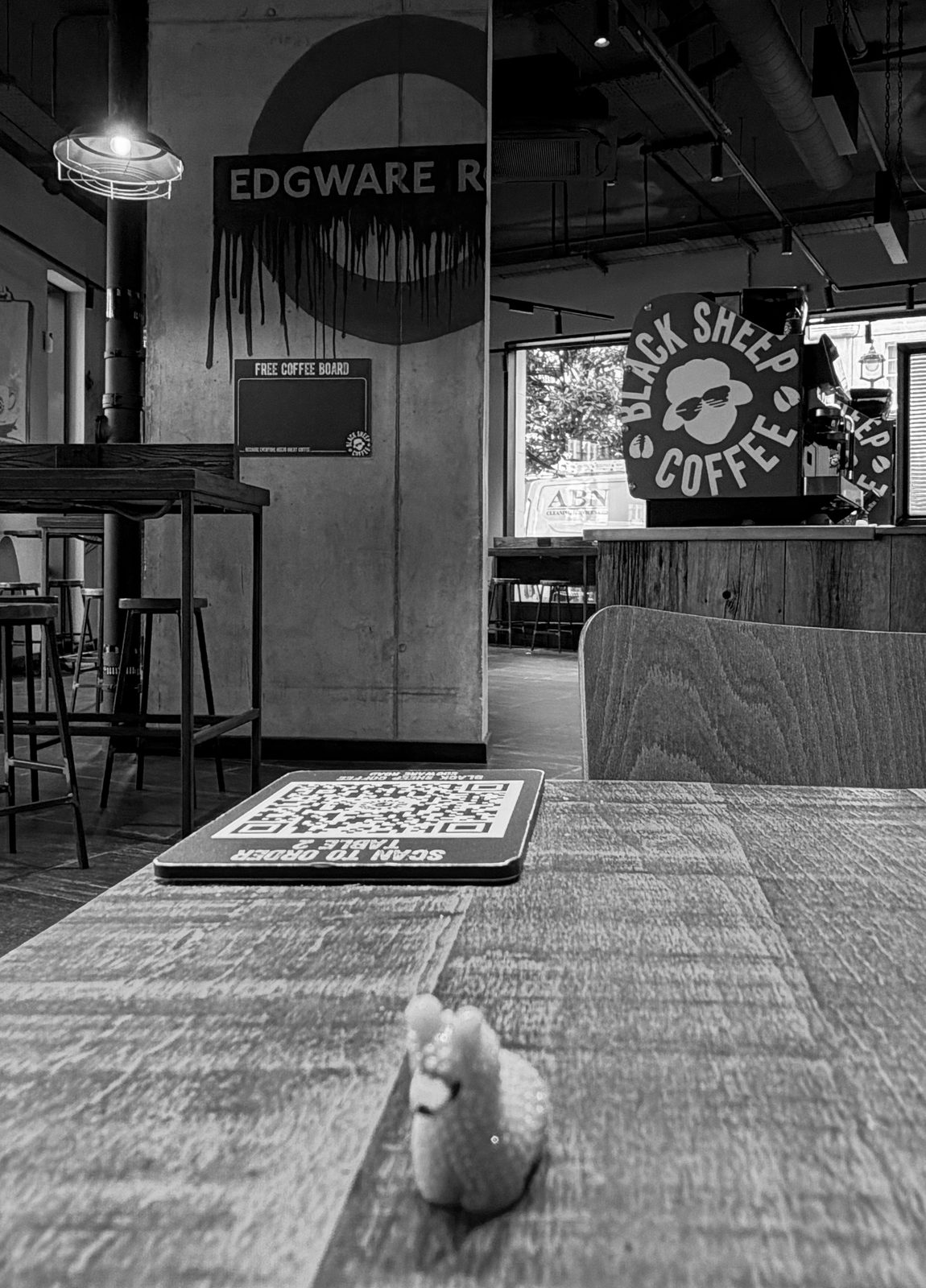
Tara and I have been trading little plastic llamas for years. I won’t try to explain it, mostly because I can’t. At some point I started keeping one in my bag and photographing it wherever work sent me (I travel a lot, and a tiny plastic llama is a very low-maintenance travel companion). Here are a few favorites.
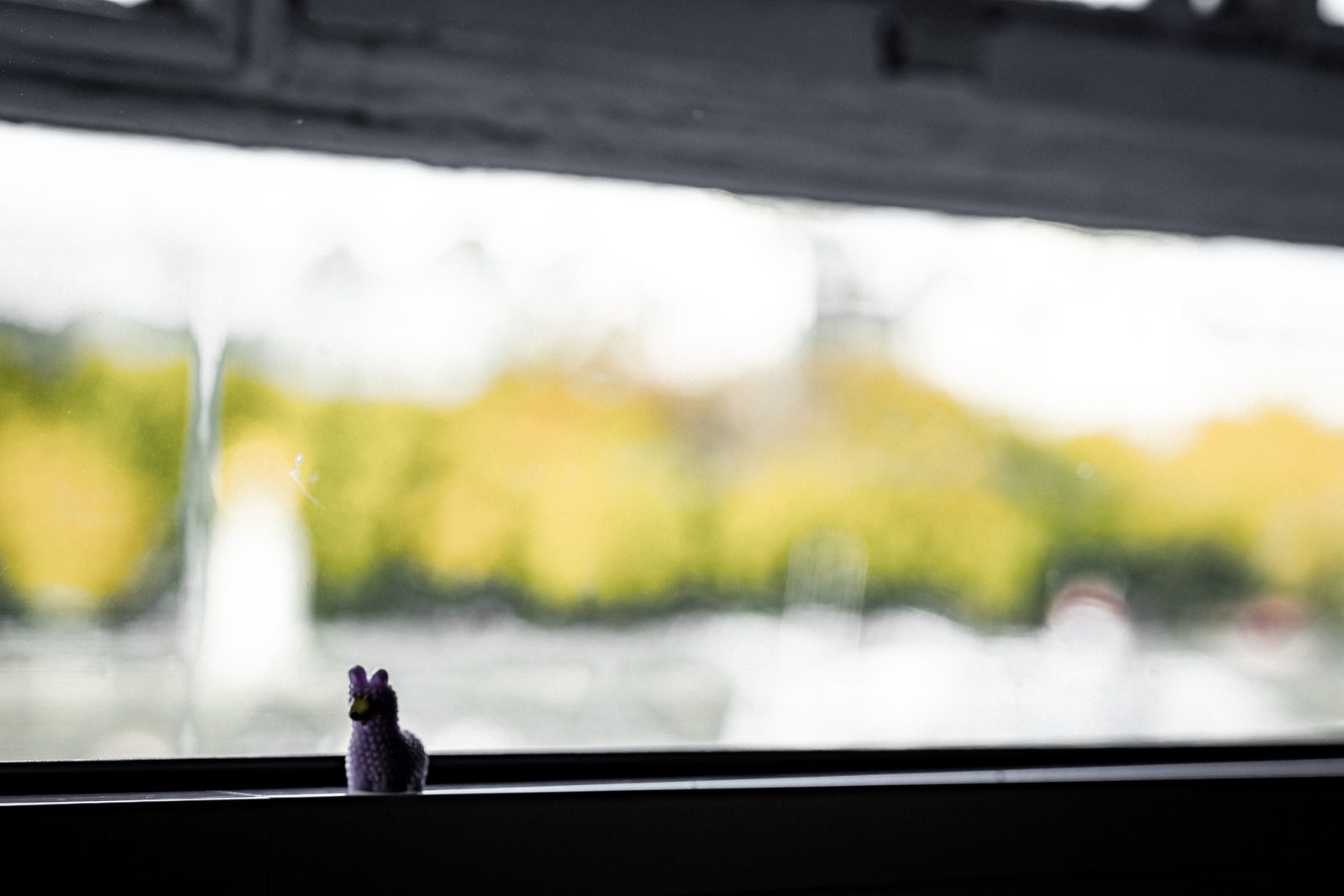
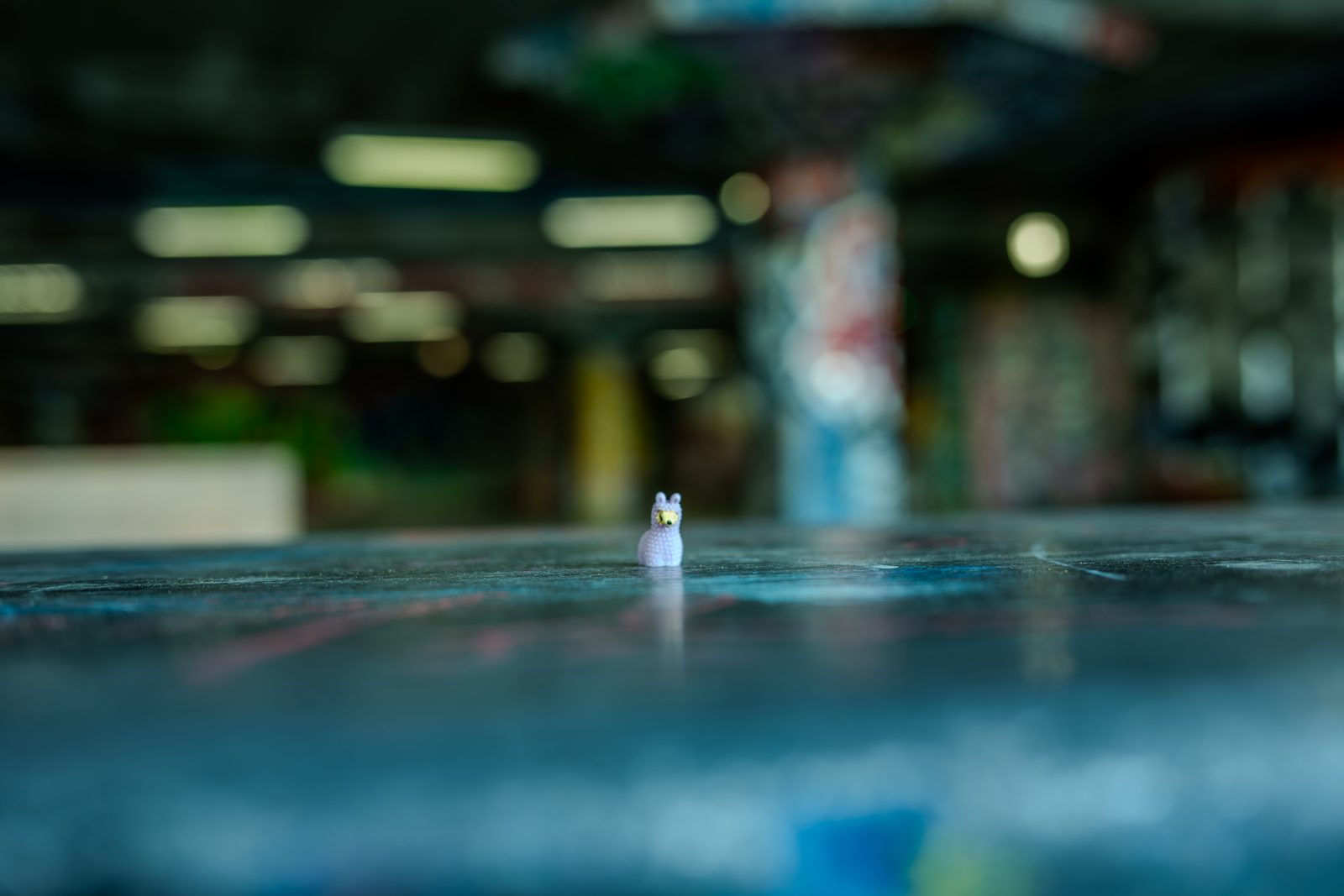
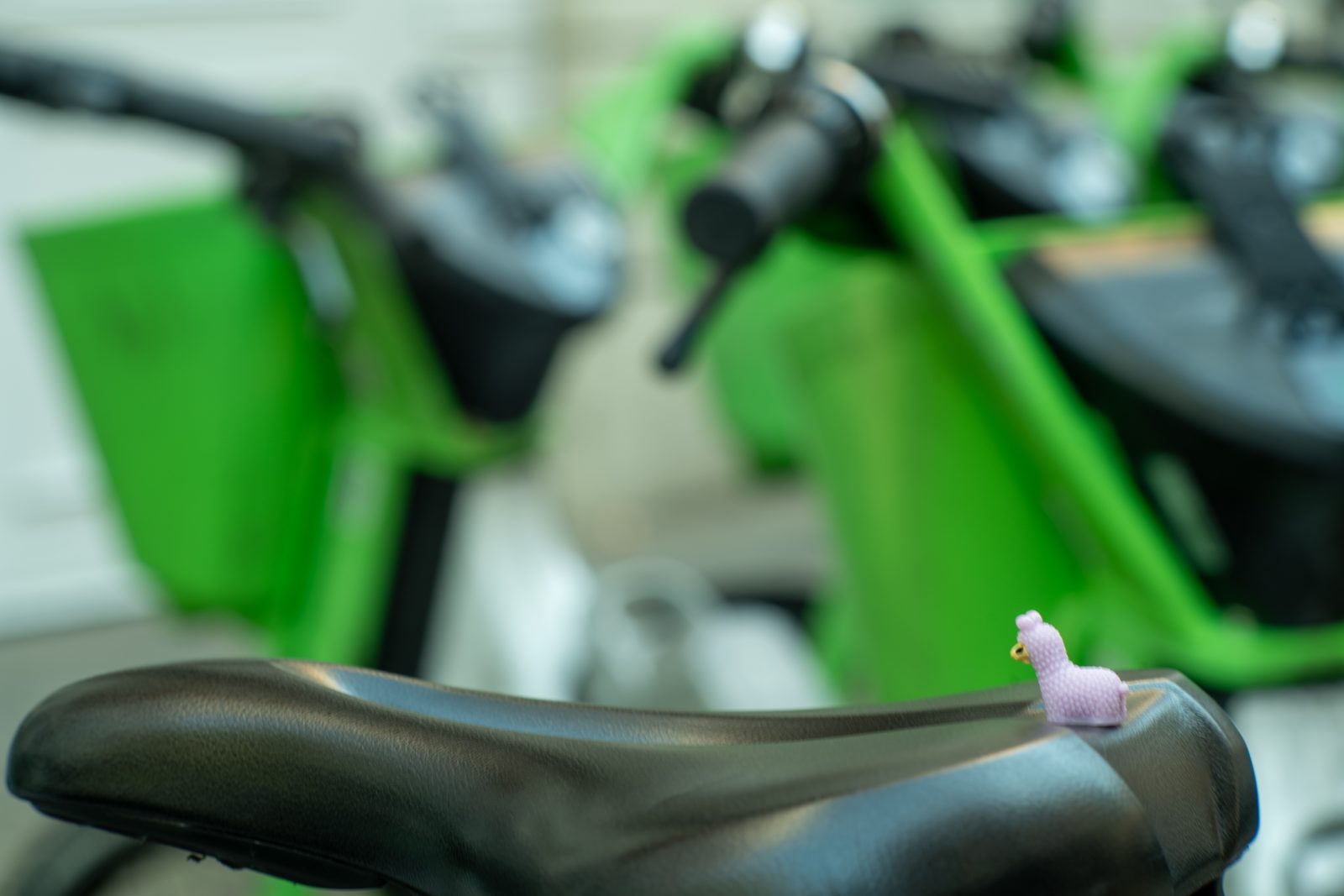
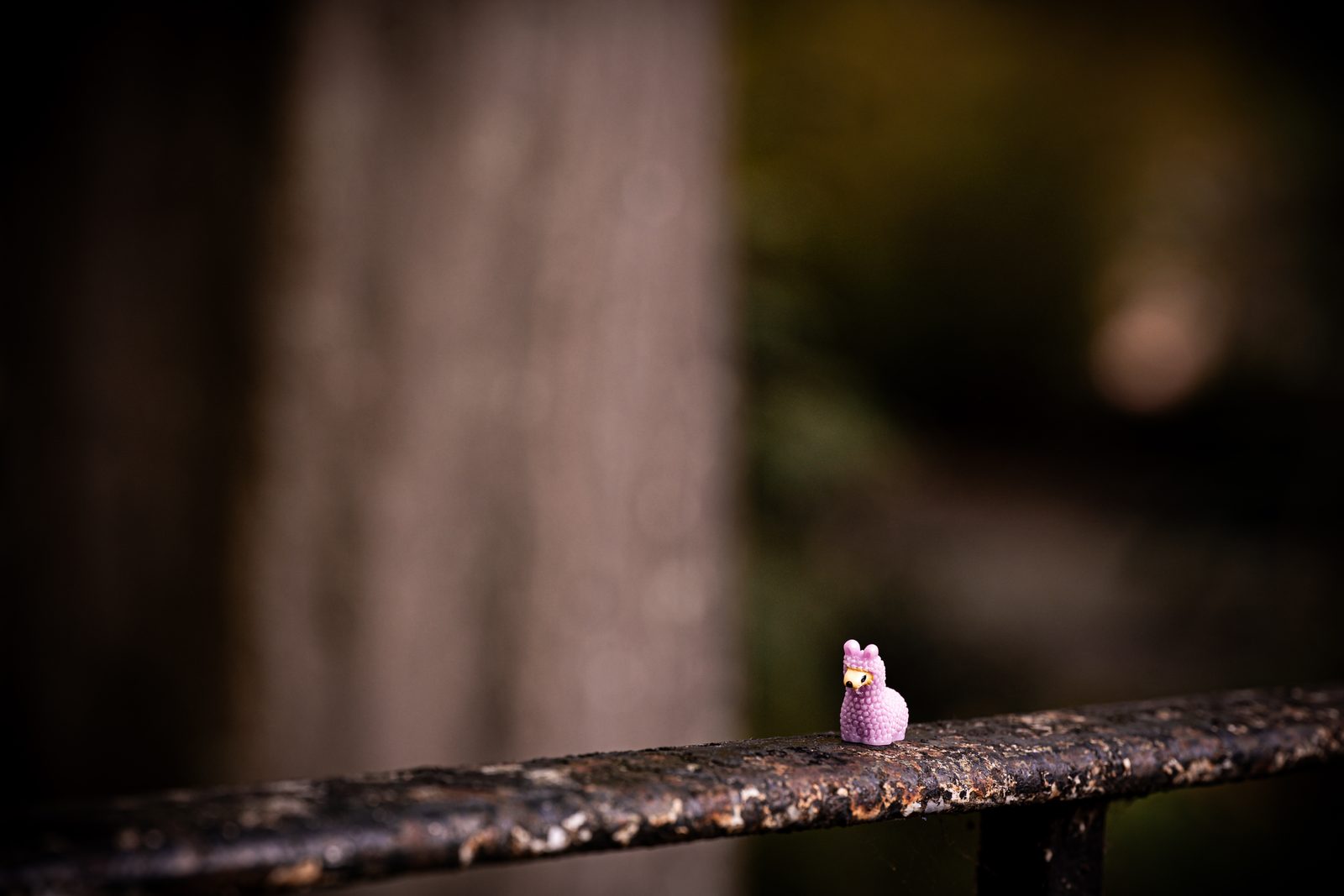
That’s the whole story: a camera I bought for a photo booth, a bag of lenses older than I am, and a herd of plastic llamas with better mileage than half my friends. I’m still learning all of it, daily. If you shoot manual glass and have a cheap lens you swear by, or you’ve got strong feelings about focus-by-wire, or you just want to argue with me about the rule of thirds, drop me a line. And if you ever spot a small plastic llama somewhere it has no business being, it might be mine.